Aging Untold: What happens if the caregiver gets sick?
(Aging Untold) — In this episode of Aging Untold, we break down why every caregiver needs a backup plan and how to protect a loved one when you can’t be there.
Plus, the latest age-friendly car features designed to keep you driving longer and more safely.
Then, medical myths about genetics and disease; how much control you really have over your health.
And later, an inspiring story of self-love transforming a community.
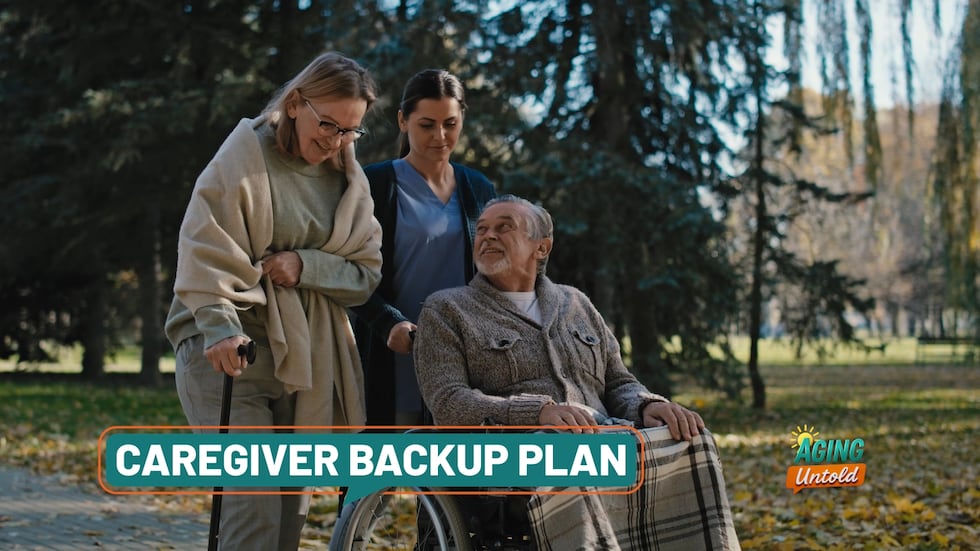
What happens if the caregiver gets sick? Why you need a backup plan
It can be easy to neglect your own health when you are a caregiver and to put off planning for the unexpected.
If you do not have a backup plan in place, an emergency can become a dangerous and expensive crisis for the entire family.
Learn more about building your backup plan.
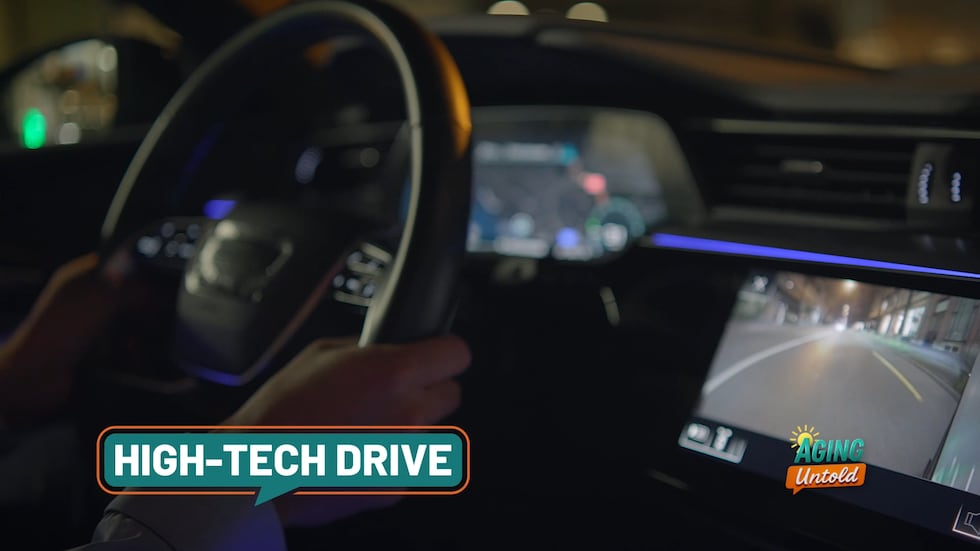
Age-friendly cars: What to look for as driving needs change
Newer vehicles, including cars with driver-assist technology, could make driving easier for older adults.
The Aging Untold experts say those features still require thoughtful decision-making.
“I turned everything on my car because I could use all the help I can get,” Katherine Ambrose, an aging-well coach, said. “Lane assist, blind-spot monitoring, adaptive cruise, everything. Turn on all the stuff.”
Learn more about the features that might be useful for older drivers.
Study reveals how genetics and environment shape disease risk
If you think your family history makes disease inevitable, you still might be able to reduce your risk.
A Penn State study looked at how genes and environmental factors — including air pollution, socioeconomic status and healthy living habits — affect a person’s chances of getting sick.
Dr. Dajiang Liu, a Penn State College of Medicine professor, said people often overestimate the contribution of genes to disease risk and underestimate the role of the environment.

After-school program teaches children to love and respect themselves
An after-school program in Washington, D.C., is helping children build confidence and a strong sense of self by using affirmations, art and storytelling.
The nonprofit FAN! runs the program.
Josephine Mazych said FAN stands for Fihankra Akoma Ntoaso, which means “safe places, linked hearts.”
“I don’t think that you can do anything for anybody else unless you love yourself and have a true understanding of who you are,” Mazych said.
She said many people in the community do not have others affirming them.
“But we are here. We’re going to affirm you. We’re going to tell you how great and how amazing you are because you have to hear it in order to begin to believe it,” she said.
Copyright 2026 Gray Media Group, Inc. All Rights Reserved.